

30 July, 2026
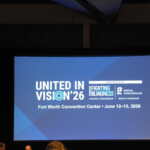
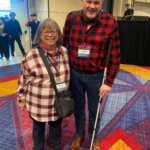
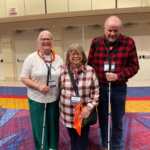
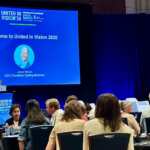
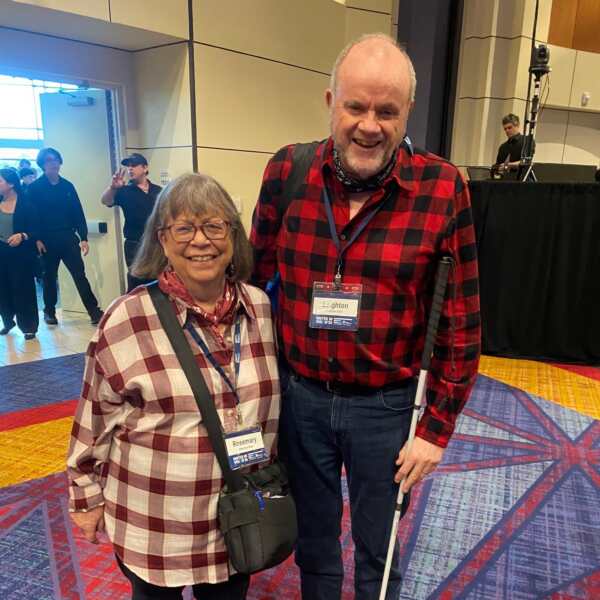
Our very own Rosemary Boyd OAM and Leighton Boyd AM attended the Retina International Continuous Education Program in Fort Worth, Texas, and came home with all the enthusiasm of true Texans — big ideas, bigger hopes for the future, and probably a soft spot for barbecue. Behind the fun, they brought back a suitcase full of ideas about how patient voices are shaping the future of inherited retinal disease research.
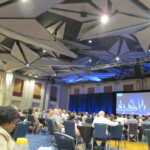
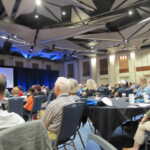
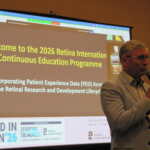
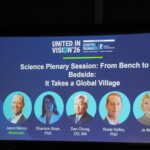
Held every two years alongside Retina International’s World Congress, the Continuous Education Program brings together patient organisations from around the world, including us, to swap notes on research, advocacy, fundraising and everything in between. This year’s gathering, on 11 June, had a big goal: making sure people actually living with inherited retinal disease have a real say in how new treatments are developed, tested and approved.
Here’s what stood out.
Patients are the missing ingredient in drug development, and Europe knows it
François Houÿez, from the European rare disease group EURORDIS, spoke about new European legislation called the “European Biotech Act”, designed to speed up research. Fast-tracking research, he explained, only works if patient feedback is collected properly and consistently across countries, so it actually means something to the regulators deciding whether a treatment gets approved.
What matters most to patients isn’t always what you’d expect
Dr Nabin Paudel, from Retina International, shared research showing most patients aren’t especially worried about eye injections or changes to how their eye looks after treatment. What they care about is whether a treatment helps them read, recognise faces, keep their independence, and protect their mental health day to day. Health authorities are increasingly building these everyday outcomes into how they judge whether a new treatment is worth approving.
A US database is quietly changing what’s possible.
Dr Todd Durham, from the Foundation Fighting Blindness, talked about My Retina Tracker, a patient registry now used by more than 45,000 people with inherited retinal disease in the US. Since 2017, joining the registry has led to 35,000 people being offered genetic testing they might otherwise have missed, and it’s helping match the right patients to the right clinical trials.
A familiar face from Melbourne
Closer to home, Professor Lauren Ayton AM, from the University of Melbourne and the Centre for Eye Research Australia, spoke about the importance of listening not just to big data, but to the “pieces of gold” — the individual stories that surveys alone can miss. She’s also working with a colleague in Toronto on a survey for kids with inherited retinal disease, which has turned out to be trickier than it sounds: children in different countries play different sports, watch different shows and go to very different schools.
Redefining what “success” looks like
Dr Daniel Chung, from Beacon Therapeutics, made the case for designing clinical trials around what actually matters to patients, not just whether they can read two more lines on an eye chart. He shared progress on a new mobility course that measures real-world improvements in getting around — a promising step, even if regulators still have some catching up to do.
The bottom line
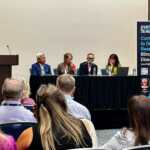
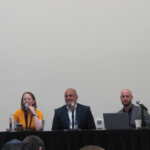
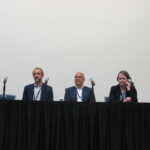
The day closed with a panel discussion led by Jason Menzo and Avril Daly, reinforcing a simple idea: patient voice needs a seat at every table — research, regulation, and access to treatment once it’s approved. As the World Health Organisation puts it, a diagnosis and access to treatment are basic human rights. It’s on all of us, together, to keep pushing until that’s a reality for everyone living with inherited retinal disease.
Thank you to Rosemary and Leighton for representing Retina Australia on the world stage, y’all.
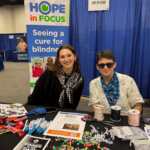
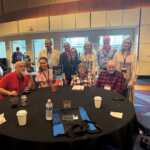
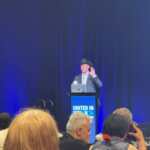
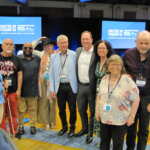
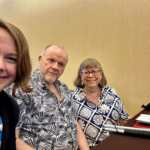
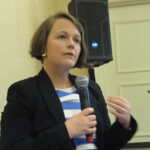
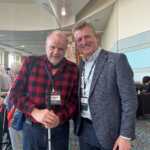
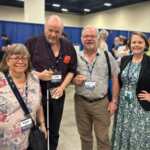
Photos from their trip are below.


https://retinaaustralia.com.au/vision-2026/
Other News
CEO Message September 2026
Over the past few months, I have been thinking a lot about what exactly Retina Australia’s role can be in bringing our community together. One...

CEO Message August 2026
August has reinforced for me that one of Retina Australia’s greatest strengths is our ability to bring together people, expertise and resources around shared priorities to create greater impact....
CEO Message July 2026
As we begin a new financial year, July has been a month of building momentum and investing in Retina Australia's future. Much of our work this month has happened behind...