

30 September, 2026
Over the past few months, I have been thinking a lot about what exactly Retina Australia’s role can be in bringing our community together.
One thing that has struck me is just how much knowledge, expertise and commitment already exists across the inherited retinal disease community.
People living with IRD and their families bring an understanding of these conditions that cannot be found anywhere else. Researchers and clinicians are advancing our understanding of disease and exploring new treatments. Clinical and research centres have built important expertise and infrastructure. Other organisations provide support and advocacy, while industry is investing in potential new therapies.
There is a lot happening.
The opportunity for Retina Australia is not to duplicate this work. It is to help connect it, and to make sure the experience and priorities of people living with IRD remain part of the conversation.
World Retina Day
World Retina Day on Sunday 27 September was a timely reminder of why this matters.
This year’s theme – embedding mental health and emotional care into the patient journey for people living with degenerative retinal conditions – speaks to an important part of living with IRD that can sometimes be overlooked.
Mental health needs to be part of the conversation about inherited retinal disease.
Independence, work, relationships, confidence and the ability to navigate everyday life can all be affected. And when these impacts are not visible to others, they can be particularly difficult to recognise and talk about.
For someone living with IRD, the journey can involve very different questions at different times. Where do I go for a diagnosis? Should I have genetic testing? What support is available? How do I adapt to changes in my vision? Is there a research study or clinical trial that may be relevant to me? What might the future hold?
These are not questions that any one organisation can answer alone.
They require clinicians, researchers, people with lived experience, support organisations, industry and others to share knowledge and work together.
That is why I believe people living with IRD need more than a diagnosis. They need information, connection, support and a voice in shaping the future.
And while research and new treatments are progressing, we also need to recognise that people are living with the realities of vision loss today. We need to keep working on both — supporting people now while helping create a better future.
Connecting the pieces
This thinking is shaping some of the work we are developing at Retina Australia.
We are exploring how we can help strengthen the pathway to diagnosis and genetic testing, build more connected peer and carer support, and make it easier for people to connect with relevant research and clinical trial opportunities.
There is already important work happening in all of these areas. Our role is not to create another layer. It is to look at where the gaps and connections are, and where we can help.
For researchers and clinicians, there are already some excellent examples of people with lived experience being actively involved in research and clinical work. Our role is to build on that work and look for further opportunities to strengthen the connection between lived experience, research and clinical practice.
For people living with IRD and their families, that may mean making information and opportunities easier to find. For industry, there may be opportunities to involve people with lived experience earlier in the development of clinical trials and explore how co-design can help ensure trials reflect the experiences, priorities and practical realities of the people who may ultimately participate in them.
This is what I increasingly see as one of Retina Australia’s strengths: being able to see across the IRD community and bring different perspectives together around shared priorities.
Building the relationships and resources we need
We are continuing our work to strengthen our fundraising capability and develop a strong Case for Support.
For me, fundraising is ultimately about what it makes possible: investing in research, strengthening support, improving information and education, and giving Retina Australia the capacity to advocate effectively for our community.
We are also continuing to build relationships with industry, researchers, clinicians and the broader eye health sector.
As new treatments move from research towards clinical trials and, potentially, becoming available to patients, these relationships will become increasingly important. We want to understand what is happening, contribute the patient perspective and advocate for the interests of our community, while maintaining our independence and transparency.
Recognising the people behind progress
Our AGM on 21 October will provide an opportunity to recognise some of the people who have contributed to the future of inherited retinal disease through our Emerging Scientist Award and Hall of Fame Award.
I think these awards are particularly important because progress in IRD is never the work of one person or one organisation.
It is built over many years by researchers and clinicians, people living with IRD and their families, volunteers, advocates, supporters and many others who contribute their expertise, time and experience.
Our scientific advisory work is a great example. I would like to thank Professor Lauren Ayton for her generous and wonderful contribution over many years as a volunteer, and to welcome Professor Rick Liu to our Scientific & Medical Advisory Committee. I would also like to congratulate Professor Alex Hewitt, already a member of that committee, on his appointment to the Retina International Scientific & Medical Advisory Board, succeeding Lauren. You can read more about all three elsewhere in the September Retina Insider.
We have a strong foundation to build on, and I am grateful to everyone who has contributed to it.
Looking ahead
The more I listen to our community, the more I see the opportunity to build on what is already happening, bring people and ideas closer together, and focus our efforts where they can make the greatest difference.
That means listening to people living with IRD, supporting the work of researchers and clinicians, building constructive relationships with industry and philanthropy, and advocating for better outcomes across the whole journey.
There is still much to do.
But there is also an enormous amount of knowledge, experience and goodwill across our community.
Our role is to help connect people, knowledge and resources around the issues that matter most to people living with IRD.
That is an exciting opportunity, and one I look forward to continuing to work on together.
Warm regards,
Jono

https://retinaaustralia.com.au/ceo-message-september-2026/
Other News
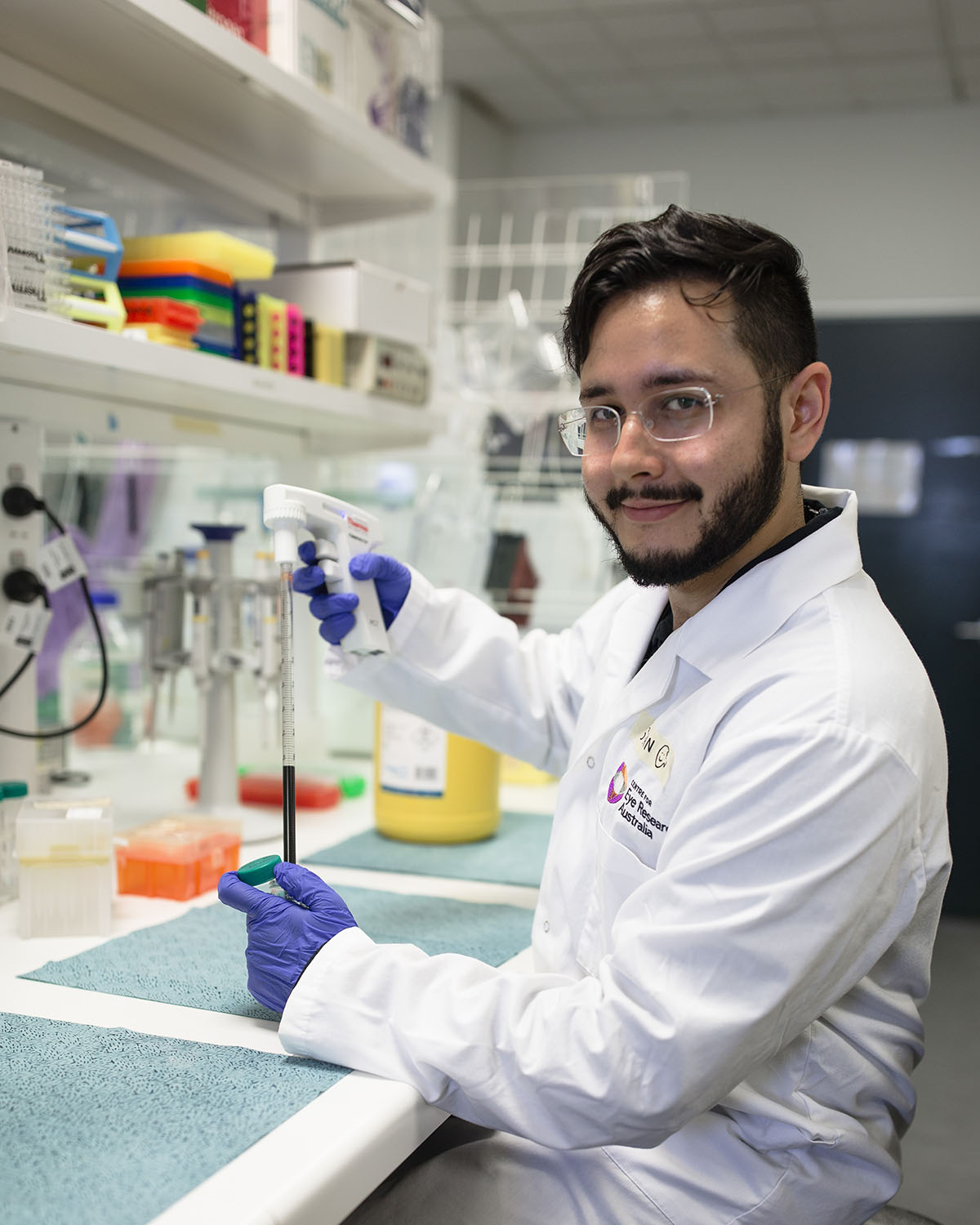
Rewriting cell identity: meet Dr Daniel Urrutia-Cabrera, our 2026 Emerging Scientist
Daniel is working on a way to repair the...
CEO Message August 2026
August has reinforced for me that one of Retina Australia’s greatest strengths is our ability to bring together people, expertise and resources around shared priorities to create greater impact....
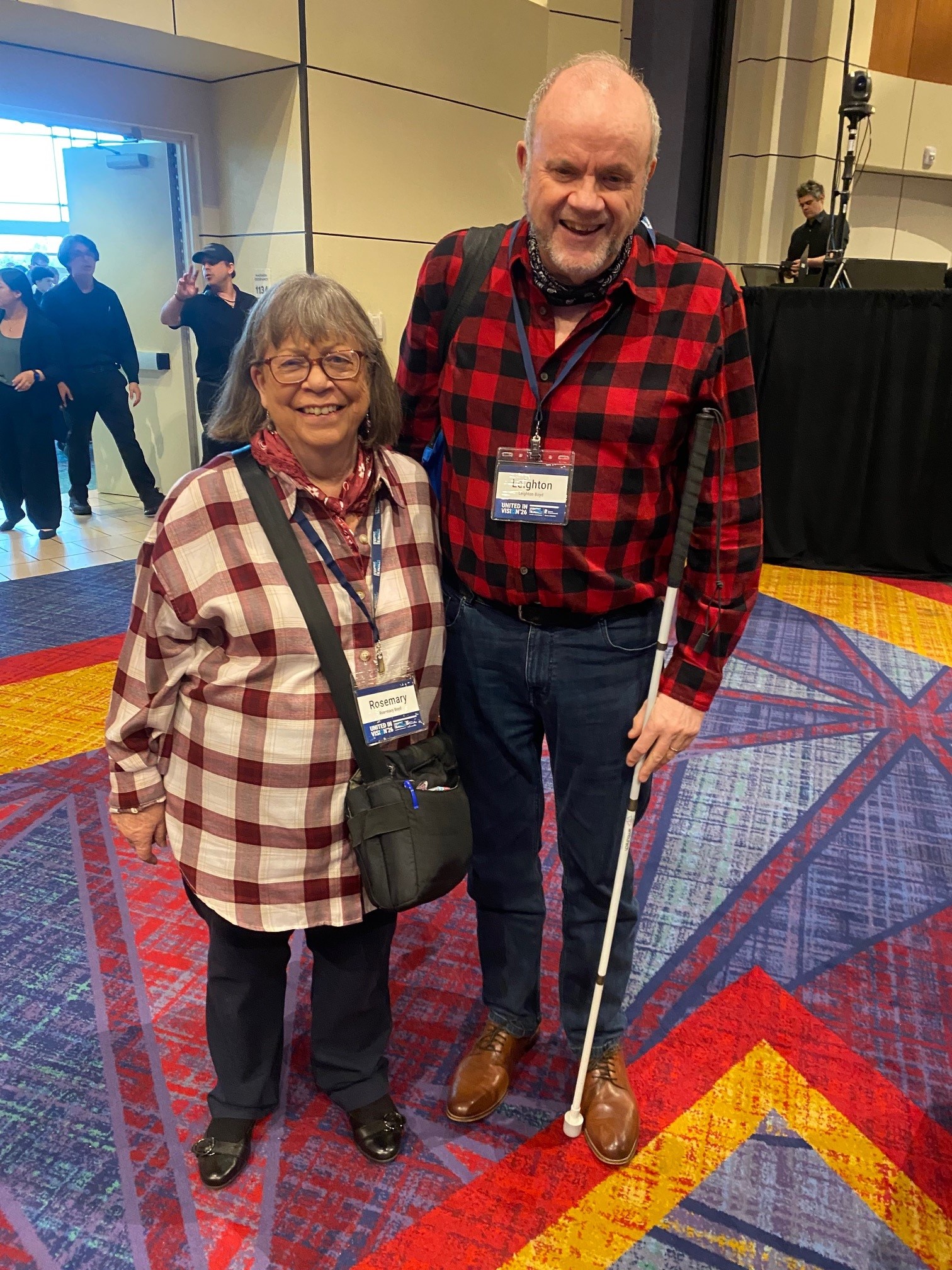
Rosemary and Leighton Take Texas – Vision 2026
Our very own Rosemary Boyd OAM and Leighton Boyd AM attended the Retina International...