

Project Aim
The project aims to develop new treatments for certain inherited retinal diseases (IRDs) that currently have no cure. These diseases are caused by faults in small genes that are small enough that they can be replaced using gene therapy. About one‑quarter of all IRDs fall into this category. Gene replacement therapy using AAV (adeno‐associated virus) has already worked for one condition caused by variants in the RPE65 gene, giving us confidence that this approach can help others.
In this project, we use stem cells from patients and grow them into “retinal organoids” which are miniature versions of the retina created in the lab. These allow us to study the disease closely and test new gene therapy treatments. By focusing on small genes linked to autosomal recessive IRD, we aim to speed up the development of future therapies for these currently untreatable conditions.
Project Summary
In this project, we created stem cells from patients who have changes in a small gene that causes inherited retinal disease (IRD). There is currently no treatment for this condition. Because the gene is small and the disease happens when the gene stops working properly, they are good candidates for a form of gene therapy where we add back a healthy copy of the gene.
We turned these stem cells into “retinal organoids,” which are tiny 3D models of the retina grown in the lab. These organoids allow us to study the disease in a realistic way. We also created healthy control organoids for comparison.
Using these organoids, we looked for signs of damage to the photoreceptor cells which are responsible for vision. We examined their structure, specific markers in the cells, and patterns of gene activity. After identifying reliable signs of disease, we developed gene therapy constructs and delivered them to the organoids. Early results suggest that the replacement therapy approach is promising.
Research Impact and Significance
This project has helped us discover important markers of disease and investigate new gene therapy approaches. Since there are around 120 other similar small genes that can cause related IRDs, many of these conditions may also benefit from the same type of gene‑replacement therapy. This work strengthens our pipeline for producing retinal organoids, studying disease changes, and developing new gene therapies. This paves the way toward treatments for many currently untreatable IRDs.
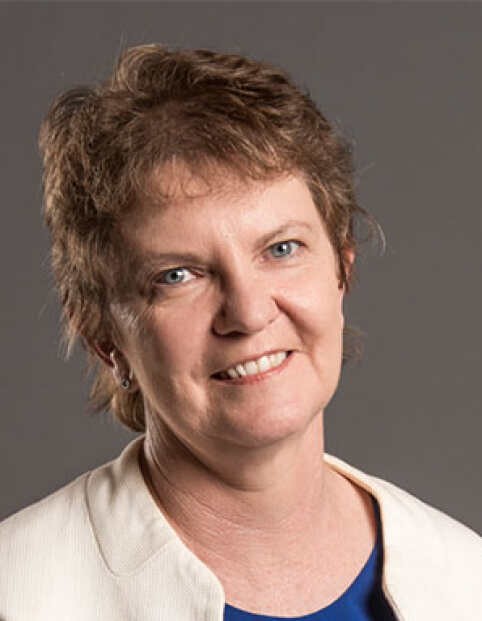
Chief investigator:
Professor Robyn Jamieson
Children’s Medical Research Institute, University of Sydney
Grant awarded:
$60,000 (2025)
Timing:
1 Year 2025
Research Impact Reports

Advancing Usher syndrome type 1B gene therapy with split intein
Project Aim Usher syndrome is the leading cause of combined deafness and blindness in the...

Characterizing Stargardt Disease Mutations for Splice Intervention Therapeutics
Project Aim The aim of this project was to find...

Virtual Reality Assessment of Functional Vision in achromatopsia
Project Aim This project aimed to develop and validate a virtual reality (VR) mobility task...
Establishing novel AAV gene editing for Usher Syndrome
Project Aim The aim of this project was to establish proof-of-concept for a new type...